Spray Foam Insulation in The Annex, ON
Insulation for the Annex's Victorian and Edwardian houses, including turret rooms and solid brick walls.
We install spray foam insulation in The Annex, about 3 km from us. The Annex sits in the M5R postal area, which also covers Casa Loma and Yorkville. Most houses here are more than a century old, so we look at how yours is built before we suggest a material.
Large Victorian and Edwardian houses, mostly from 1880 to the early 1900s
The Annex is bounded by Dupont Street to the north, Bloor Street to the south, Bathurst Street to the west and Avenue Road to the east. Inside those lines the houses are mostly large Victorian and Edwardian homes, and most went up between 1880 and the early 1900s. A 1975 freeze on buildings taller than 45 feet means most of the original houses still exist.
If your Annex house still has its original roof space with very little on the attic floor, heat from the rooms below goes straight up into it all winter. In that case attic insulation is the first job we look at. We air seal the gaps around chimneys and plumbing stacks, then add depth on the attic floor. If the roof space is too tight to crawl through, we use blown-in loose fill, which gets into corners batts can't reach.
Turrets, arches and sandstone: the Annex style house
Annex style houses usually have big rounded Romanesque arches and Queen Anne details like turrets. Most are brick, and some have Credit Valley sandstone too. It looks good from the street. It also makes insulating harder, because turrets and steep roofs leave very little open attic to work in.
Sloped ceilings under turrets and steep roofs
With a turret or a steep roof, the top-floor rooms often have sloped ceilings and no attic above them, so the insulation goes into the rafter bays. Closed-cell spray foam works in that shallow space because it gives the most insulation per inch. At 2 inches thick it gives about R-12. Our roof insulation page goes into sloped and flat roofs in more detail.
Solid brick and Credit Valley sandstone walls
Insulating solid masonry walls from the inside changes how the brick dries, so it has to be done carefully. Closed-cell spray foam resists vapour well enough to handle cold-weather condensation where the foam meets the brick. That's why we use it against masonry and keep open-cell foam away from it. Our page on insulating the walls of an old brick house covers what can go wrong and how we avoid it.
Houses split into apartments
A lot of the original Annex houses were divided into apartments, which changes how we plan the work. Each unit has its own walls and ceilings, but the whole building shares the roof and the basement.
Starting with the top unit's ceiling
In a subdivided house, start with the top unit's ceiling, because heat from every unit below ends up there. Insulating and air sealing that ceiling, or the roof above it, helps the whole building and only disturbs one tenant.
Shared roof and basement, then unit by unit
A shared basement is the next place to look. Insulating its walls and the rim joist at the top of the foundation helps the units upstairs as well as the ground floor. After that we can work through the apartments one at a time, so nobody waits on anyone else. Our spray foam and insulation services can be combined in one building, for example closed-cell foam along the roofline and blown-in insulation in other spots.
Close by: Christie, Kensington Market and Summerhill
The closest neighbourhoods we serve are Christie, Kensington Market and Summerhill. If your house in one of them was built around the same time as the Annex houses, the same care with old brick and tight roof spaces applies.
Local details for The Annex
- Postal codes: M5R
- Distance: About 3 km away in a straight line
- Permit rules: toronto.ca
- Nearby: Christie, Kensington Market, Summerhill
About The Annex: The Annex, ON on Wikipedia · The Annex on Google Maps
FAQ
Insulation questions from The Annex
Yes. Closed-cell spray foam gives about R-12 at 2 inches thick. Because it packs so much into each inch, it suits the shallow rafter bays under sloped ceilings in Annex turrets and top floors. Open-cell foam rates lower per inch, so you need more of it to get the same result.
No, as long as the right type goes in the right place. Against solid brick or Credit Valley sandstone, closed-cell foam resists vapour well enough to handle cold-weather condensation where it meets the masonry. The trouble starts when someone treats a house built between 1880 and the early 1900s like a new one. We check each wall and roof before we pick a material.
We insulate turret rooms inside the rafter bays, since the sloped ceilings leave no attic above to fill. Closed-cell spray foam works there because it needs very little depth. We look at the roof framing and the finished ceiling first, then work out how to get into the bays.
Services
Services in The Annex, ON
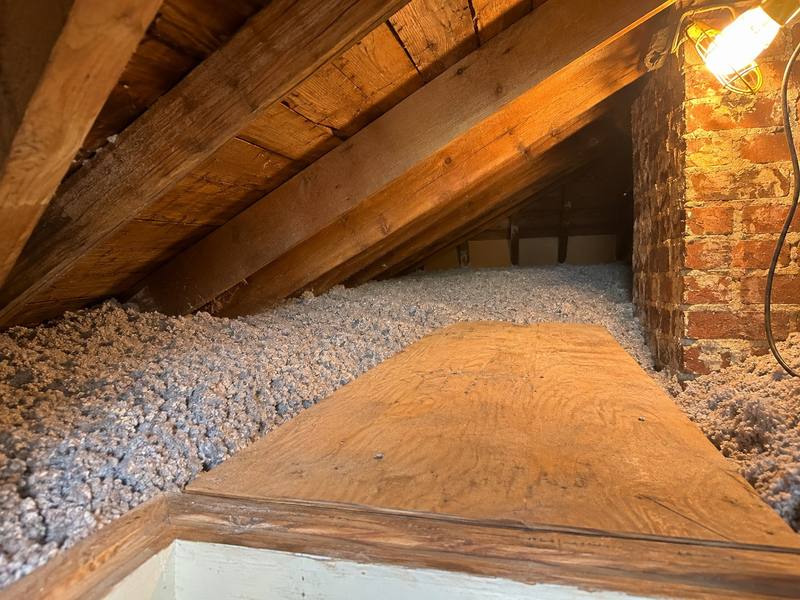
Attic Insulation
Learn more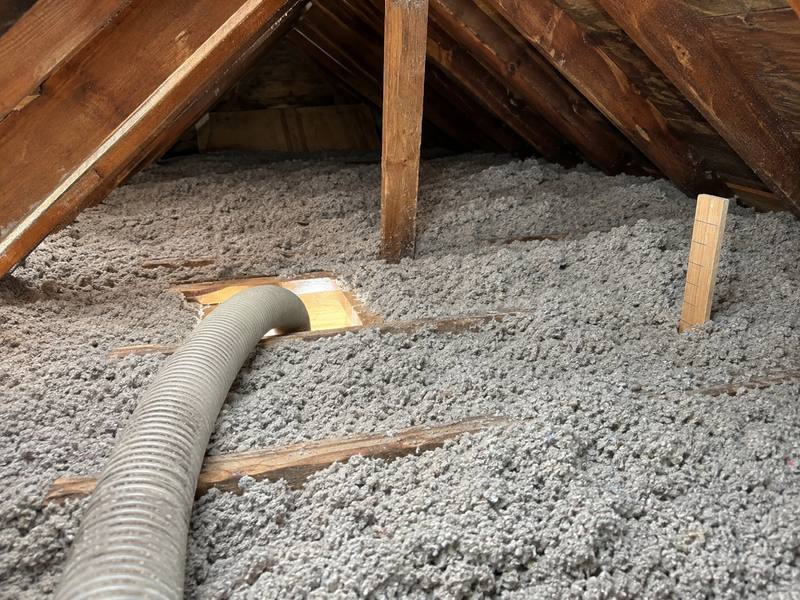
Loose-Fill (Blown-In) Insulation
Learn more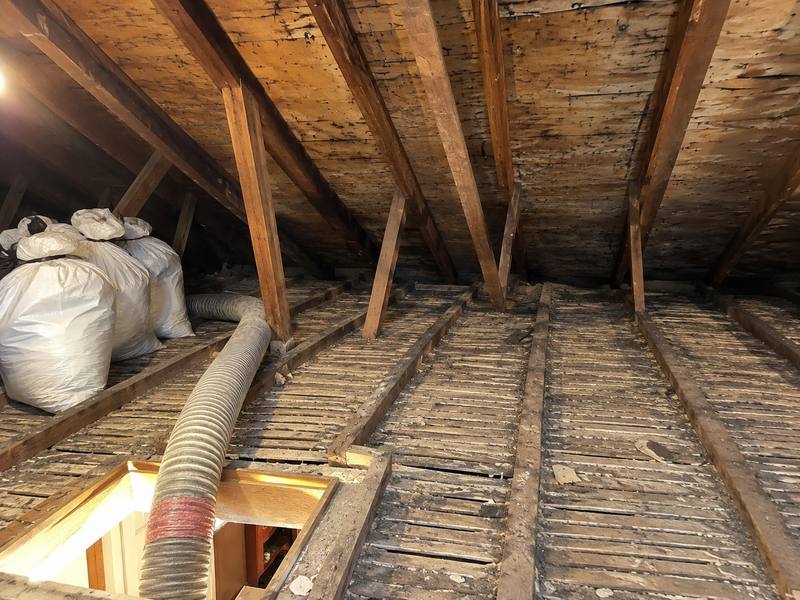
Old Insulation Removal
Learn more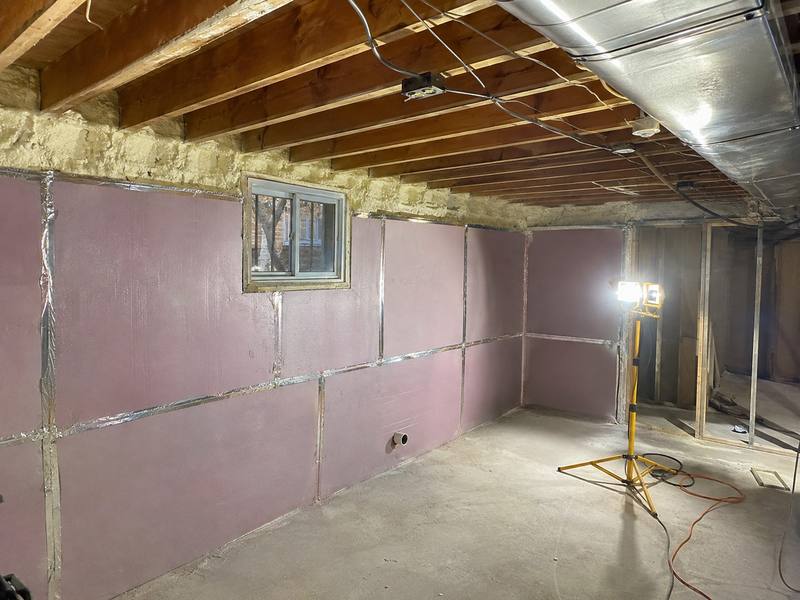
Basement Insulation
Learn more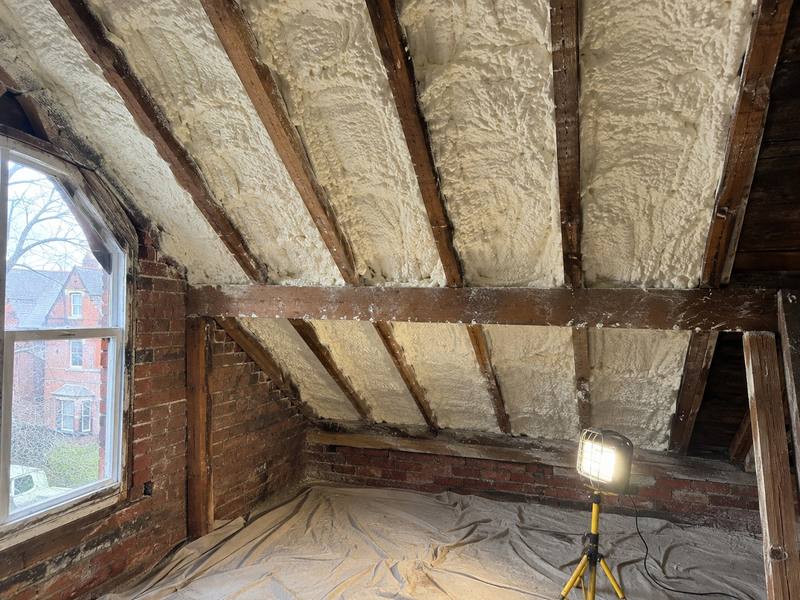
Roof & Flat Roof Insulation
Learn more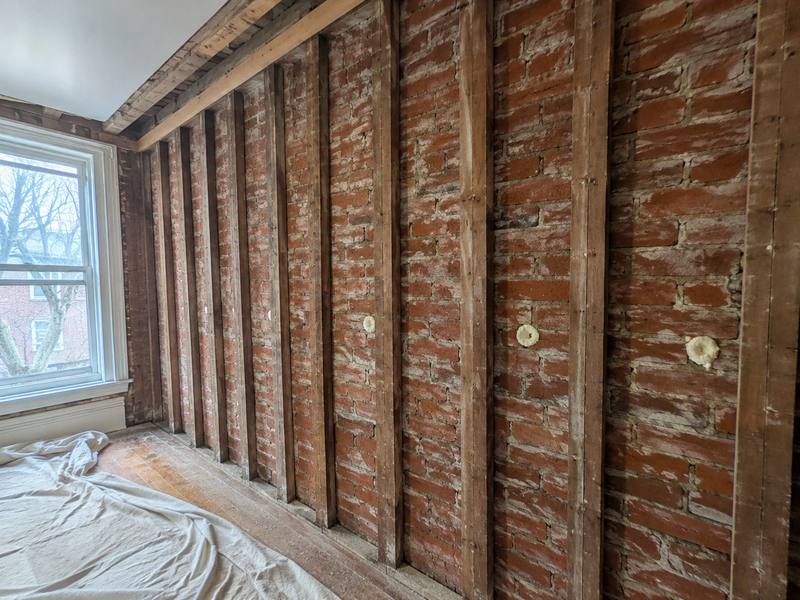
Wall Insulation
Learn more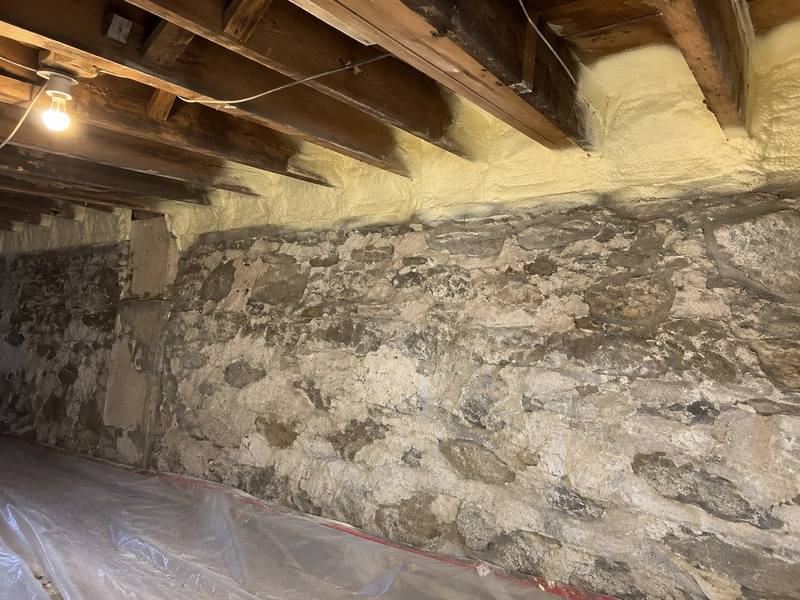
Closed-Cell Spray Foam
Learn more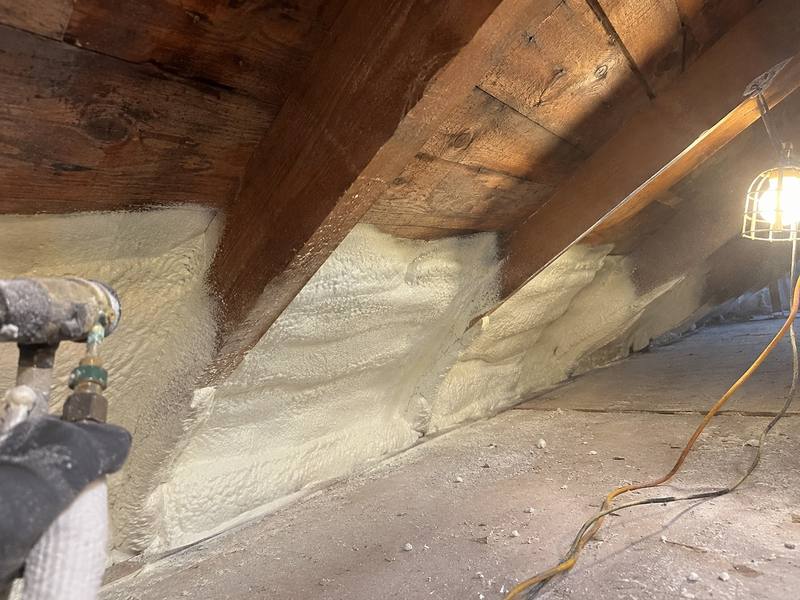
Open-Cell Spray Foam
Learn more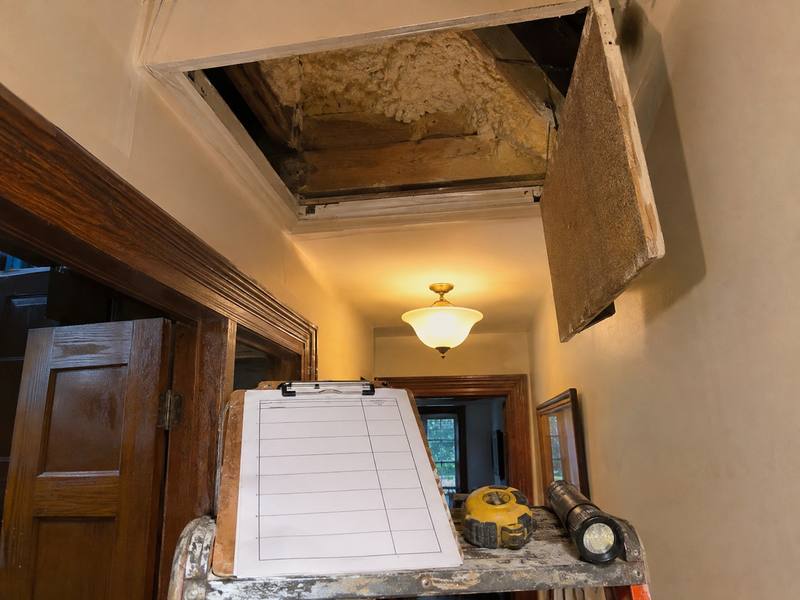
Spray Foam Insulation Cost
Learn more
Get a Quote
Request an insulation visit in The Annex
Tell us the address and which part of the house bothers you, whether that is a cold top floor, a drafty basement or a ceiling with no attic above it. Phone or use the form. We'll set up a time to look at the house, then give you a written quote.