Spray Foam Insulation in Christie, ON
Insulation for the brick semis of Seaton Village and the streets around Christie Pits.
We install spray foam insulation in Christie and the streets around Christie Pits, about 1 km from us. Most of the work on these streets depends on how the houses were built in the first place.
Seaton Village semis from the start of the 20th century
Seaton Village is the block of streets bordered by Bloor Street, the Canadian Pacific Railway tracks, Christie Street and Bathurst Street. Most of the houses are semi-detached single-family homes from the start of the 20th century. If you're getting your bearings, start at Christie Pits. The park sits on Christie Street, just west of Christie subway station, and the village runs east from there.
If your semi still has its original walls and roof, heat gets out through the masonry, through the roof and through the joints where the two meet. Each of those takes a different method. A house's age tells us where to look first, but it can't tell us what a previous owner already added.
Solid brick or a brick face: why it matters here
Most Seaton Village houses are solid brick, though some have a brick facade over a framed wall. Which one you have decides what can go into the walls.
A solid brick wall has no cavity
A solid brick wall is two or more layers of brick bonded together, with no hollow space between them, so there's nowhere to blow insulation in. If your house is solid brick, any wall insulation has to go on the inside face behind new drywall. The other option is to put the effort into the roof and the rim joists instead. Our page on insulating the walls of an old brick house goes through the moisture side of that choice, which matters more than the R-value.
A brick facade over wood studs
If your house has a brick face over a wood-framed wall, the stud bays behind the brick are hollow. That cavity can often take dense-pack cellulose, blown in through small holes we patch afterwards. Our wall insulation page explains how dense-packing fills a closed wall without opening it up.
Reading the brick to tell them apart
Look at the bond pattern first. If every few rows include bricks laid end-on, called headers, the wall is most likely solid brick tied together through its thickness. A facade usually shows only the long faces of the bricks, called stretchers. Before we recommend anything, we confirm it from inside, at an outlet box or from the attic.
The shared wall in a semi
In a semi-detached house the party wall is shared with your neighbour, so we don't insulate it. Any heat that passes through it ends up in another heated home. We put the insulation where the house meets the weather: the outside walls, the roof and the rim joists.
Where the party wall meets the rest of the house, though, it still matters. If your attic is open along the top of the party wall, warm air can rise through the gaps there into the roof space and carry your heat with it. If your basement has wood framing against the party wall, a similar gap can let cold air in at the rim. A gap in the party wall itself is a fire-separation matter for a qualified contractor or the City, so we point it out, then build up the attic insulation or put spray foam insulation on the rim joist on your side.
Close by: The Annex, Dufferin and Kensington Market
We also work in the neighbourhoods around Christie. The Annex is east across Bathurst Street, Dufferin is to the west, and Kensington Market is to the south-east. Each of those pages deals with its own streets and houses. If you live near one of those edges, the page for the area next door may be a closer match for your house.
Local details for Christie
- Postal codes: M6G
- Distance: About 1 km away in a straight line
- Permit rules: toronto.ca
- Nearby: The Annex, Dufferin, Kensington Market
FAQ
Insulation questions from Christie
Most Seaton Village houses are solid brick, and some have a brick facade over a framed wall instead. From the sidewalk the two can look much alike, so we check from inside before suggesting wall insulation. A solid wall has no cavity to fill. A framed wall behind a brick face may take dense-pack.
No. We leave the party wall itself alone because it's shared with the house next door. Gaps where it meets the attic are a fire-separation matter for a qualified contractor or the City; we point them out and insulate the attic and the basement rim on your side. The insulation goes into the outside walls, the roof and the rim joists.
No, the city doesn't require a building permit to add or replace insulation. The work still has to meet the Zoning Bylaw.
Services
Services in Christie, ON
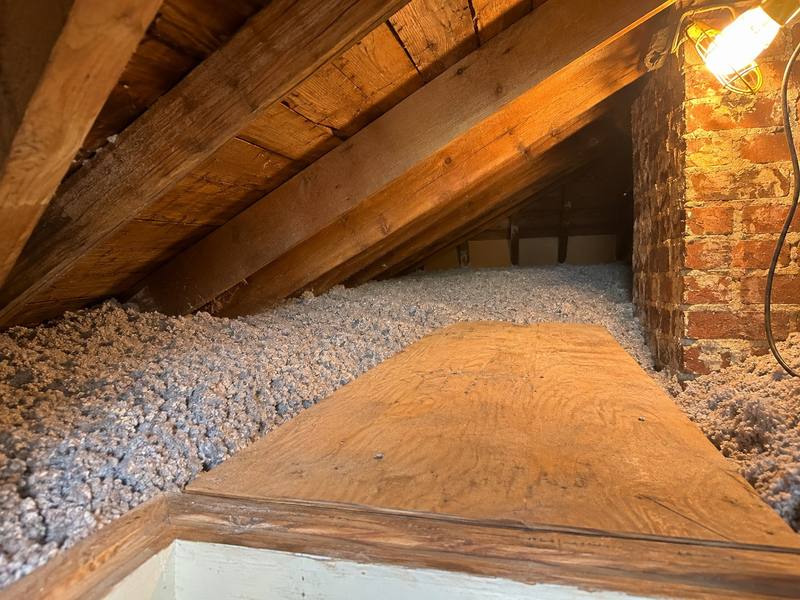
Attic Insulation
Learn more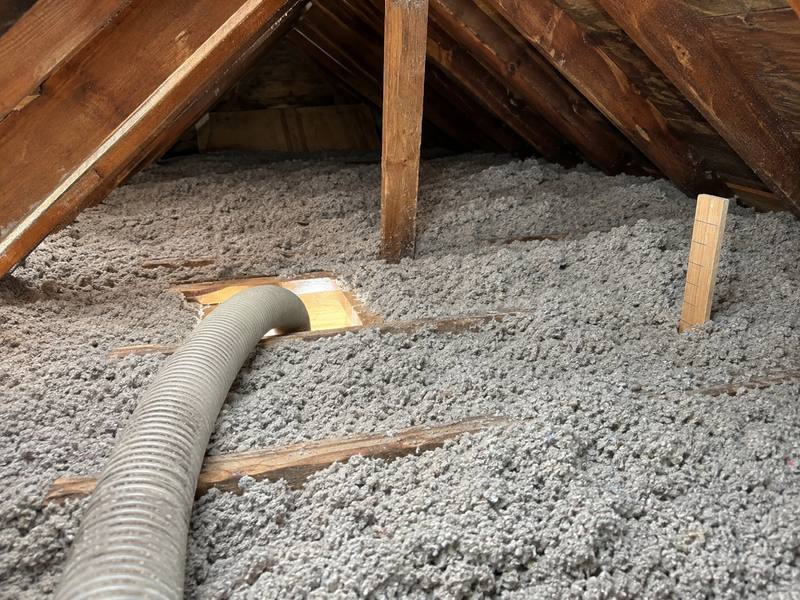
Loose-Fill (Blown-In) Insulation
Learn more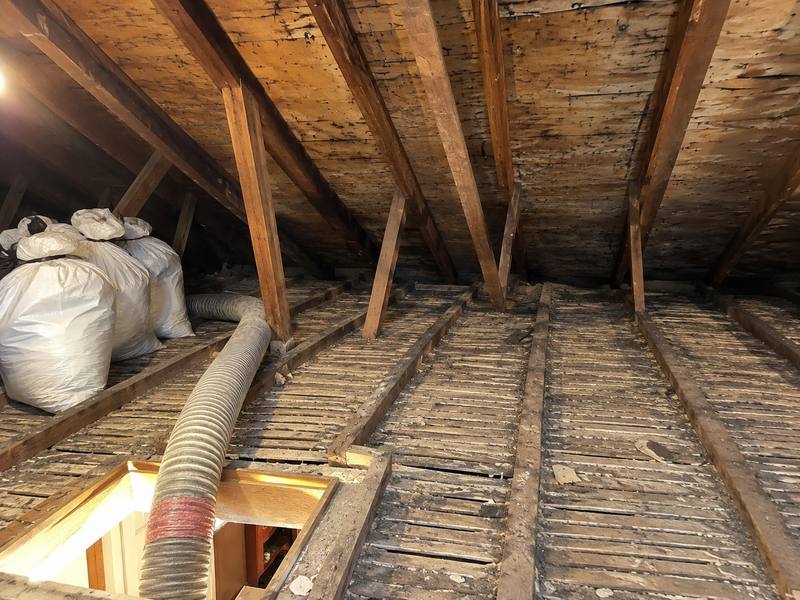
Old Insulation Removal
Learn more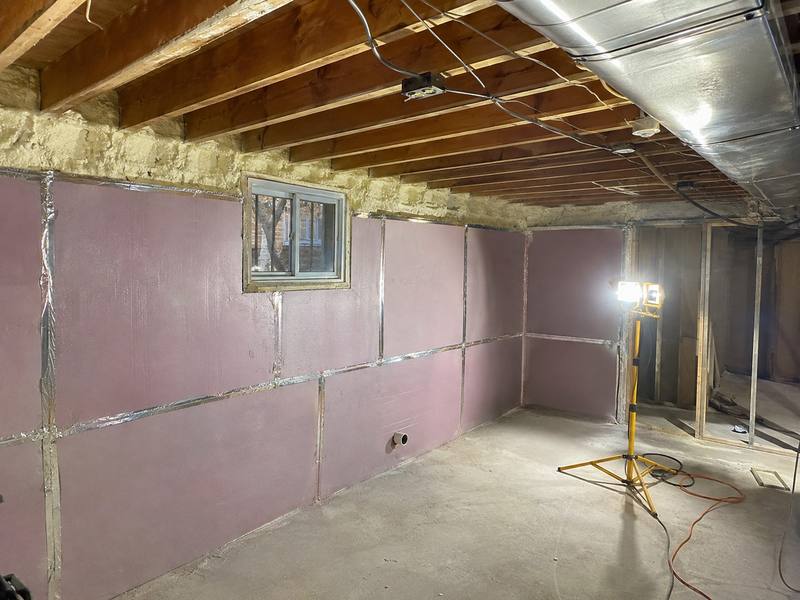
Basement Insulation
Learn more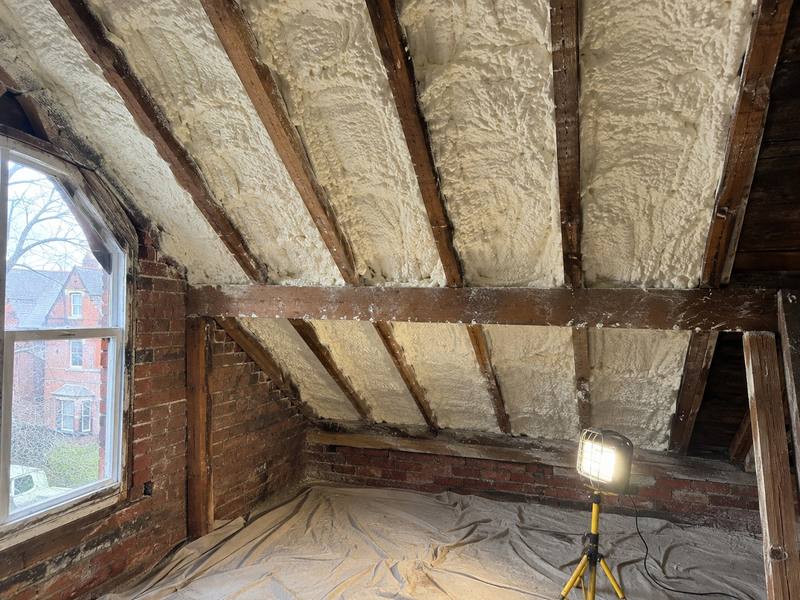
Roof & Flat Roof Insulation
Learn more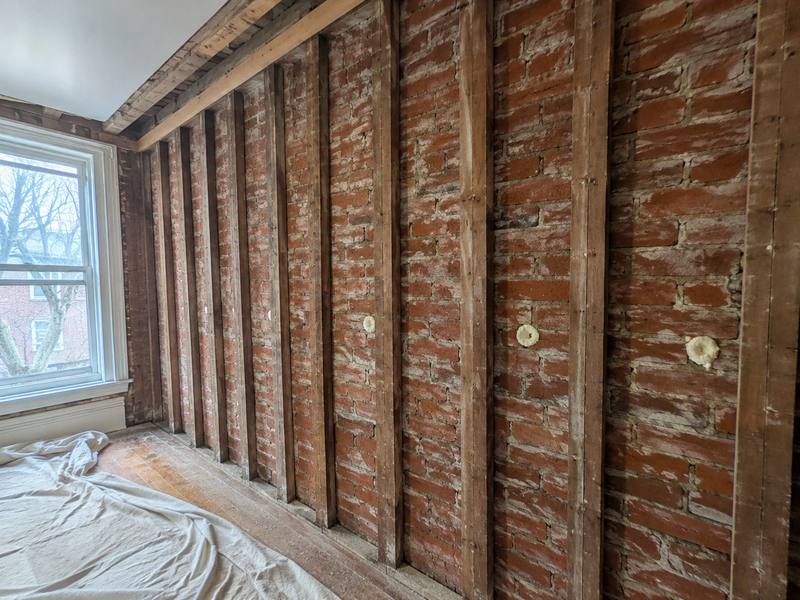
Wall Insulation
Learn more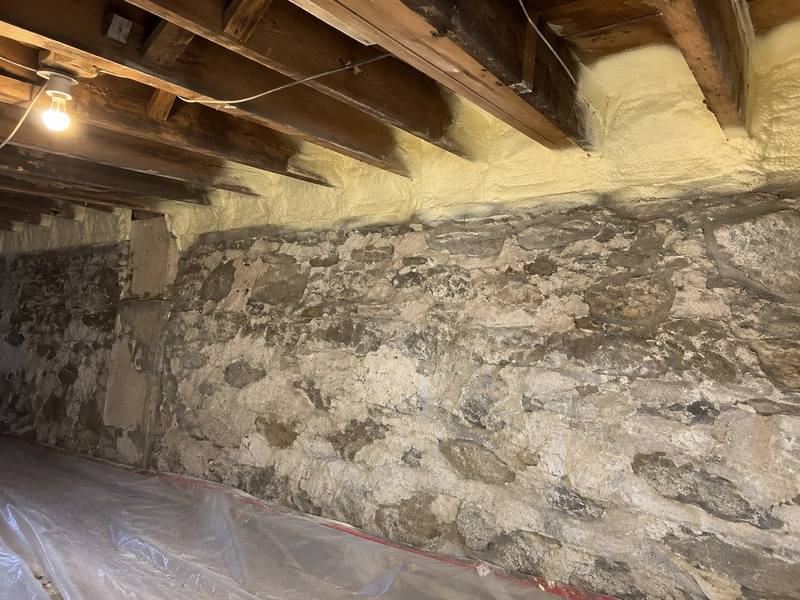
Closed-Cell Spray Foam
Learn more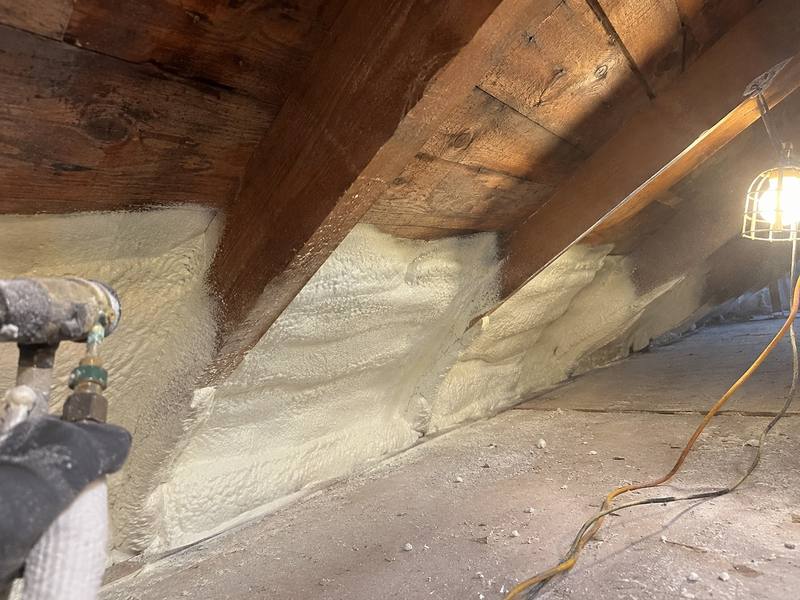
Open-Cell Spray Foam
Learn more
Spray Foam Insulation Cost
Learn more
Get a Quote
Request an insulation visit in Christie
Tell us the address and which part of the house bothers you, whether that is a cold top floor, a drafty basement or a ceiling with no attic above it. Phone or use the form. We'll set up a time to look at the house, then give you a written quote.