Spray Foam Insulation in Little Portugal, ON
Spray foam and other insulation for the houses between Lansdowne Avenue and Ossington Avenue, including rim joists, sloped ceilings and homes above businesses.
We install spray foam insulation in Little Portugal, about 1 km from us. Whether yours needs closed-cell foam, dense-packed walls or just an attic top-up depends on how it was built.
A residential pocket between Lansdowne and Ossington
Little Portugal runs from Lansdowne Avenue to Ossington Avenue and from College Street south to the rail tracks. It is mostly houses, with Portuguese businesses along Dundas Street West and College Street. That mix changes the insulation work, because a home above a business is built and used differently from a house on a side street.
If your house has a business on the ground floor and no attic above the top floor, the foam goes in the ceiling cavity. The joists between the top-floor ceiling and the roof deck are the only space left, and when they are shallow, loose-fill can't get to a useful depth. Closed-cell spray foam on the underside of the deck stops the air and keeps it off the cold boards. If the ceiling is open from below, we spray from inside. If it is finished, the work can be done from above when the roof is replaced. Our roof insulation page goes through both.
If the business downstairs keeps different hours and temperatures from the home upstairs, sealing the floor between them stops cooking smells and cold air coming up.
Bay-and-gable houses toward Trinity Bellwoods
By 1900 the streets around Trinity Bellwoods Park were lined with tall, narrow houses in the bay-and-gable or Gothic Revival style. If yours is one of them, with a steep gable, the top floor often has a small attic or sloped ceilings, and the finished ceiling is fixed straight to the rafters.
A sloped ceiling leaves only the depth of the rafter bay for insulation. Closed-cell foam gives more resistance per inch than batts or loose-fill, so it fits shallow bays where thicker material won't. It is also an air barrier, which keeps warm, moist room air from reaching the cold roof deck and condensing there in winter. The closed-cell spray foam page explains how we apply it and why the thickness matters.
If the gable leaves a small attic above the top-floor ceiling, that space can take blown-in insulation once the gaps around the chimney and plumbing stacks are sealed. Then foam only goes where the space is too tight for anything else.
Narrow houses, long side walls
If your house shares a wall with the next one or sits close to it, most of the heat leaves through the roof, the front and back walls and the basement, not the long sides. A shared wall has a heated house on the other side of it. A narrow gap to the neighbours keeps the wind off a side wall. So the insulation work goes where the house actually faces the weather.
We start with the rim joists. The rim joist is the band of framing where the floor joists sit on the foundation wall. If yours is exposed in the basement, cold air usually gets in around it and along the sill plate. Closed-cell foam sprayed into each joist bay seals those gaps and insulates the band in one coat. Batts cut to fit don't do that nearly as well.
The roof comes next, then the front and back walls. Dense-packed insulation can go into the wall cavities through small holes that we patch afterwards, so your finished walls stay where they are. Our spray foam insulation page explains the two foams.
Close by: Brockton, Dufferin and Parkdale
We also work in the neighbourhoods around Little Portugal, and each has its own page about its streets and houses: insulation work in Brockton, our page on Dufferin and spray foam in Parkdale. We offer the same services in all of them. The housing is what changes from one to the next, and the housing decides where the foam and the dense-pack go.
Local details for Little Portugal
- Postal codes: M6J
- Distance: About 1 km away in a straight line
- Permit rules: toronto.ca
- Nearby: Brockton, Dufferin, Parkdale
About Little Portugal: Little Portugal, ON on Wikipedia · Little Portugal on Google Maps
FAQ
Insulation questions from Little Portugal
A bay-and-gable house is insulated at the top and the bottom first: the attic or sloped ceilings under the gable, and the rim joists in the basement. Closed-cell foam suits shallow rafter bays, and the front and back walls can be dense-packed through small holes we patch afterwards. We look at the house first, because the framing and whatever old insulation is in there decide what will fit.
Yes, spray foam can go in a house with a business downstairs, as long as we can reach the cavity from inside or from the roof. With no attic above the top floor, the foam goes into the ceiling cavity against the roof deck. Open-cell foam in the floor between the business and your home also slows the air and sound coming upstairs.
No, the city does not require a building permit to add or replace insulation in Little Portugal. The work still has to meet the Zoning Bylaw. If the insulation is part of a bigger project, like an addition, check the permit rules for the whole project, not just the insulation.
Services
Services in Little Portugal, ON
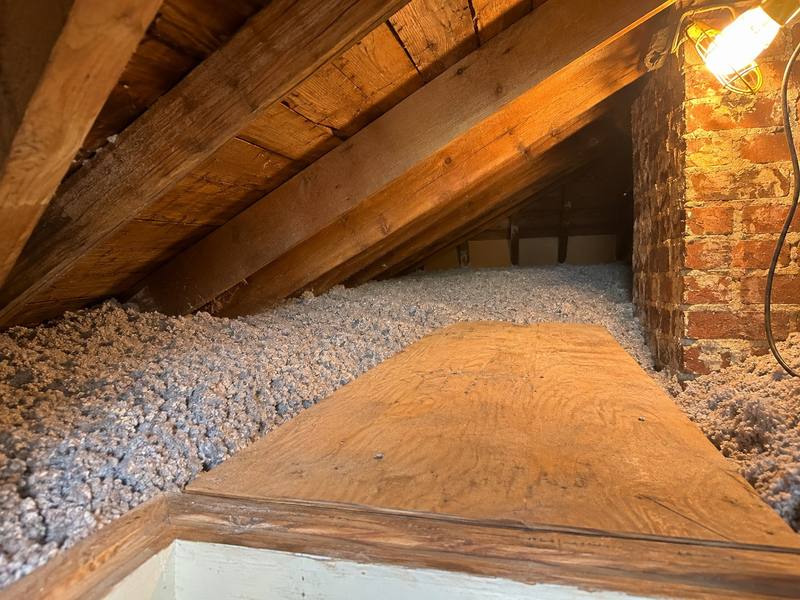
Attic Insulation
Learn more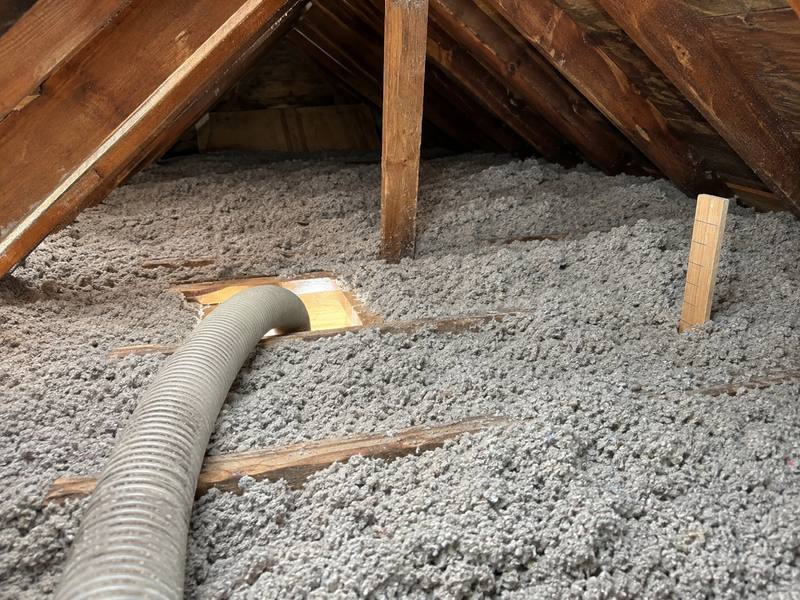
Loose-Fill (Blown-In) Insulation
Learn more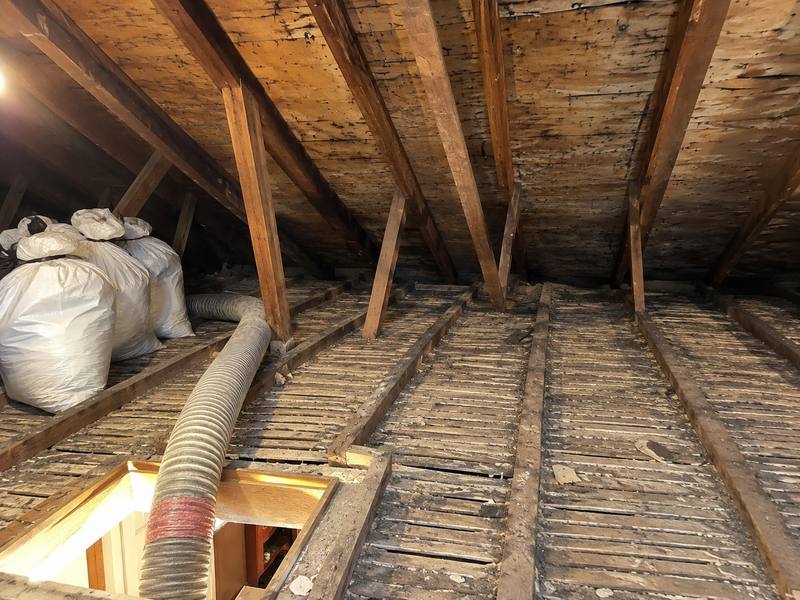
Old Insulation Removal
Learn more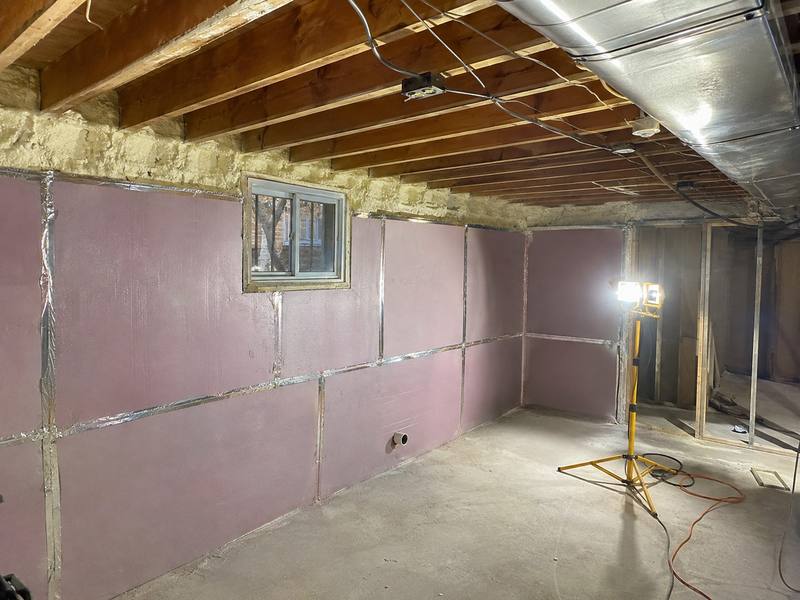
Basement Insulation
Learn more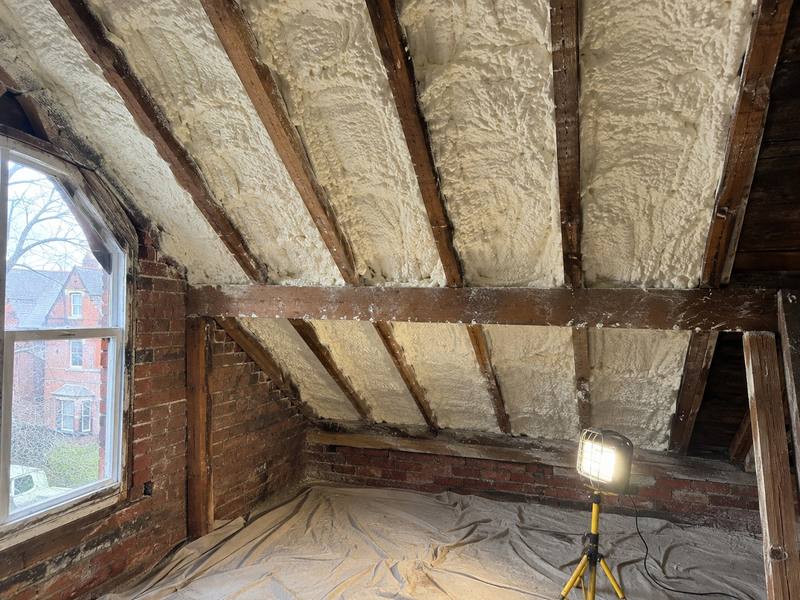
Roof & Flat Roof Insulation
Learn more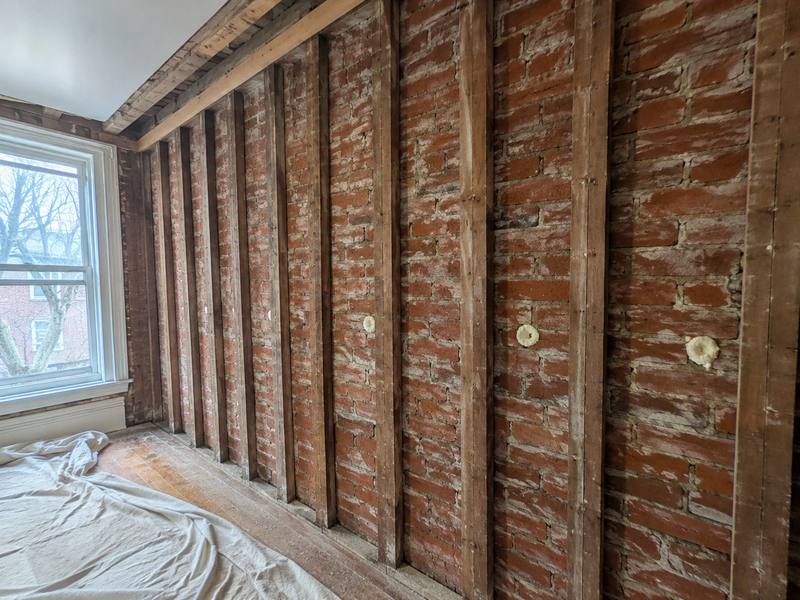
Wall Insulation
Learn more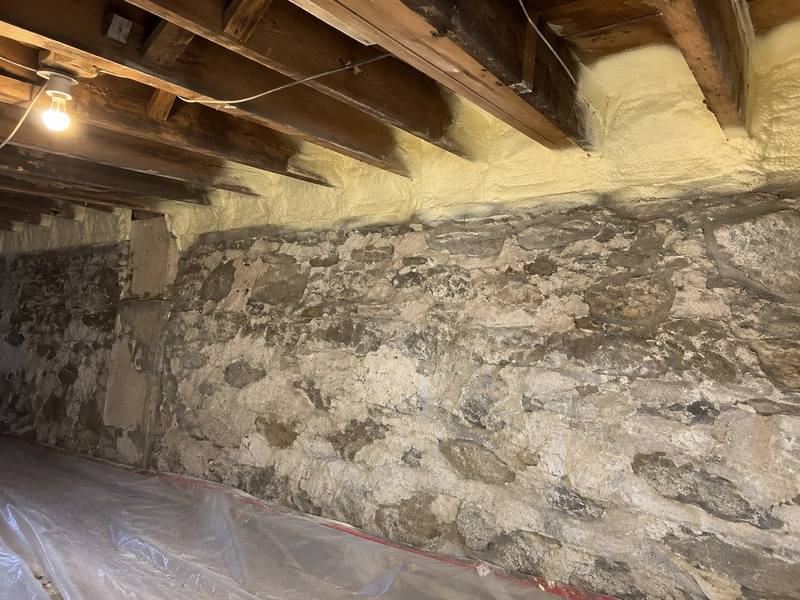
Closed-Cell Spray Foam
Learn more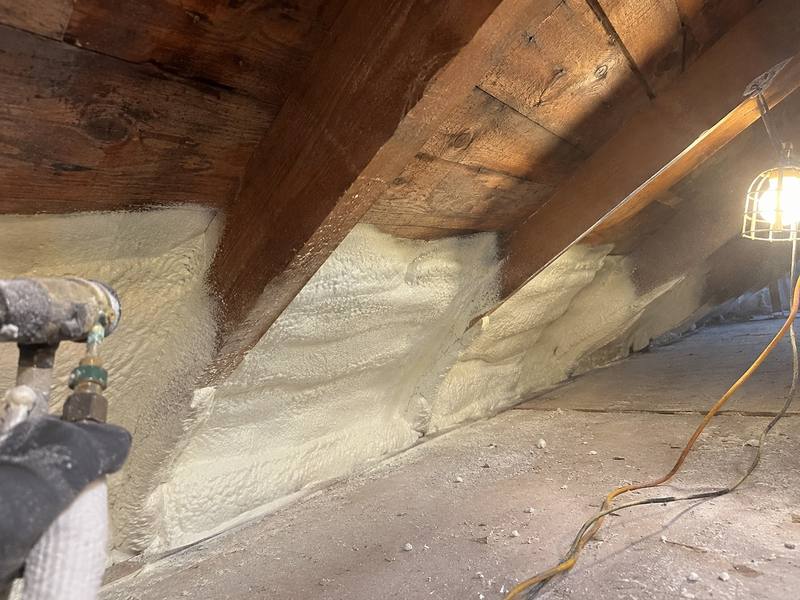
Open-Cell Spray Foam
Learn more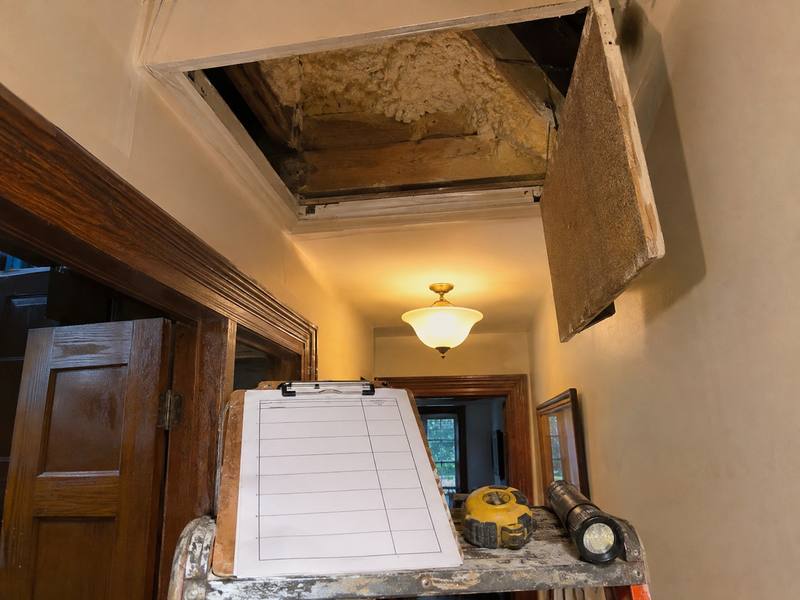
Spray Foam Insulation Cost
Learn more
Get a Quote
Request an insulation visit in Little Portugal
Tell us the address and which part of the house bothers you, whether that is a cold top floor, a drafty basement or a ceiling with no attic above it. Phone or use the form. We'll set up a time to look at the house, then give you a written quote.